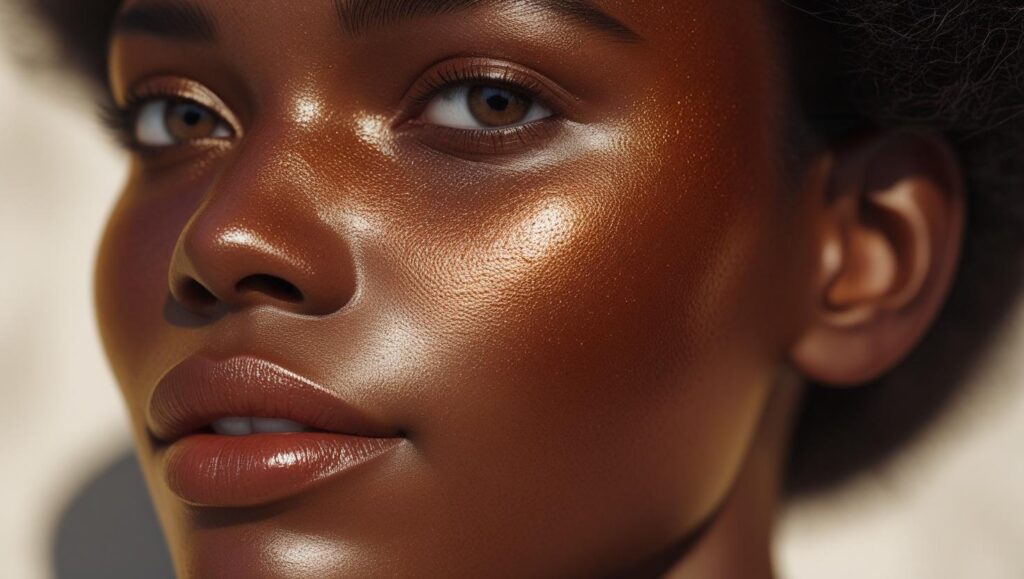
For individuals with darker skin tones, the amount of sun exposure needed to produce adequate Vitamin D3 is significantly higher than for those with lighter or medium skin tones. This is because higher concentrations of melanin in darker skin act as a very effective natural sunscreen, absorbing more UVB radiation and thus reducing the skin’s ability to synthesize Vitamin D.
Considering the current time in Phoenix, Arizona (Monday, June 30, 2025 at 6:14:23 PM MST) and the consistently high to extreme UV index in June (often 10-12 and above), here’s what to consider:
General Guidelines for Dark Skin:
- Midday is Key: Similar to lighter skin, exposing skin during midday (roughly 10 a.m. to 3 p.m.) when UVB rays are strongest is most efficient.
- Significantly Longer Exposure: Darker skin can require 3 to 6 times longer sun exposure than lighter skin to produce the same amount of Vitamin D. While light-skinned individuals might need 10-15 minutes, and medium-skinned individuals 15-20 minutes, dark-skinned individuals in a high UV index location like Phoenix in June might need:
- 30 minutes to 1 hour (or more) daily of direct sun exposure on a significant portion of their body (e.g., face, arms, legs, back).
- Season and Location: Even in a sunny place like Phoenix, the optimal time frames can vary.
- Summer (Phoenix, AZ): With an “Extreme” UV Index, 30 minutes to an hour could be a starting point.
- Other Seasons/Lower UV Index: In seasons with less intense sun or in locations further from the equator, the required time would increase substantially, and it might be impractical or impossible to get enough Vitamin D from sun exposure alone.
Crucial Considerations for Dark Skin:
- Higher Risk of Vitamin D Deficiency: Due to the reasons mentioned above, individuals with darker skin are at a significantly higher risk of Vitamin D deficiency. Studies show that a large percentage of Black and Latinx individuals in the US are Vitamin D deficient.
- Balance with Sun Protection: While more sun exposure is needed for Vitamin D, prolonged exposure still carries risks of sun damage and, although less common in darker skin, skin cancer. The goal is adequate Vitamin D synthesis, not sunburn.
- Supplementation is Often Recommended: Given the difficulty in achieving sufficient Vitamin D solely through sun exposure for darker skin, especially outside of peak summer months or in less sunny climates, Vitamin D supplementation is frequently recommended and often essential for dark-skinned individuals to maintain healthy Vitamin D levels.
- Consult a Healthcare Professional: It is highly advisable for individuals with darker skin tones to discuss their Vitamin D levels with a healthcare provider. A blood test can determine if a deficiency exists, and they can recommend appropriate supplementation dosages.
In summary, even with Phoenix’s intense summer sun, dark-skinned individuals should aim for a substantial amount of midday sun exposure, likely in the range of 30 minutes to over an hour, on most days to maximize natural Vitamin D production. However, due to the inherent challenges, dietary sources and especially supplementation are often the most reliable ways to ensure adequate Vitamin D levels for this population.