
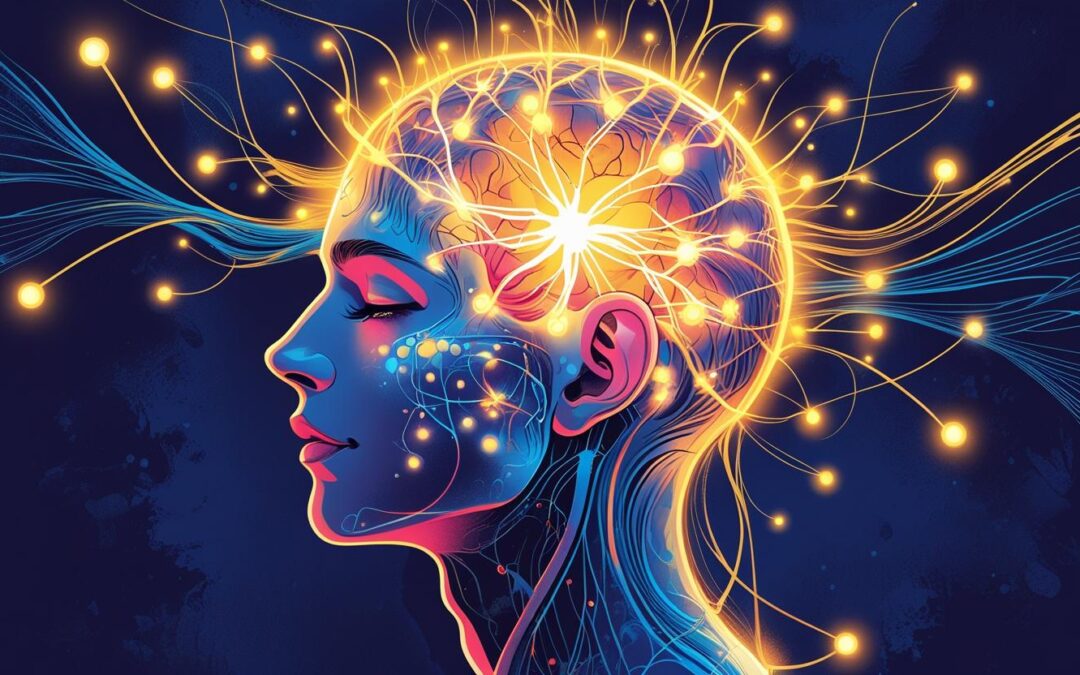
Imagine a life where every moment is infused with joy and contentment. This is the essence of bliss. In our exploration of “The Science of Bliss,” we delve into how this profound state of happiness can be achieved through both neurological and psychological perspectives.
Bliss is not just an abstract feeling but a measurable state of well-being that transforms our brain chemistry and enriches our lives. By understanding the science behind it, we unlock the secrets to a more fulfilling existence.
Join us on this delicious journey of discovery, where we embrace practices that enhance our connection to ourselves, each other, and the beautiful world around us. Let’s embark on this path to living more blissfully, with kindness in our hearts and magic in our souls.
Bliss, often perceived as an elusive state of happiness, is deeply rooted in our biology and psychology. Neuroscientific research has unveiled that the brain’s reward system plays a crucial role in cultivating this feeling. When we engage in activities that foster joy — be it through social connections, physical exercise, or creative expression — our brains release a cocktail of neurotransmitters like dopamine and serotonin. This chemical symphony not only enhances our mood but also reinforces positive behaviors, creating a feedback loop that encourages us to seek out blissful experiences.
Moreover, the practice of mindfulness and meditation has shown remarkable effects on our brain’s structure and function. Regular mindfulness practice can increase gray matter density in areas related to emotional regulation and self-awareness, leading to a profound sense of inner peace. By grounding ourselves in the present moment, we not only mitigate stress but also unlock deeper layers of happiness that often go unnoticed in the hustle of daily life. Embracing these scientific insights empowers us to intentionally cultivate bliss, transforming it from a fleeting emotion into a sustainable state of being.
The Neuroscience of Bliss
The journey to bliss is deeply rooted in our brain’s chemistry. When we engage in blissful activities, our brain releases a symphony of chemicals that elevate our mood and enhance our overall well-being.
Dopamine: The Feel-Good Chemical
Dopamine is often dubbed the “feel-good” neurotransmitter. It plays a crucial role in the brain’s reward system, reinforcing pleasurable sensations and motivating us to seek positive experiences.
Serotonin: The Mood Stabilizer
Serotonin is another key player, known for its ability to stabilize mood and promote feelings of happiness. It brings a sense of calm and joy, enabling us to savor life’s beautiful moments.
Research reveals that blissful activities can significantly boost these neurotransmitters. Below is a comparison of neurotransmitter levels before and after engaging in such activities:
| Neurotransmitter | Before Activity | After Activity |
|---|---|---|
| Dopamine | Low | High |
| Serotonin | Moderate | Elevated |
Studies show that during blissful states, there is increased brain activity in areas associated with happiness and contentment, painting a vivid picture of how our brains light up with joy. By understanding this science, we can intentionally engage in activities that nourish our minds and spirits.
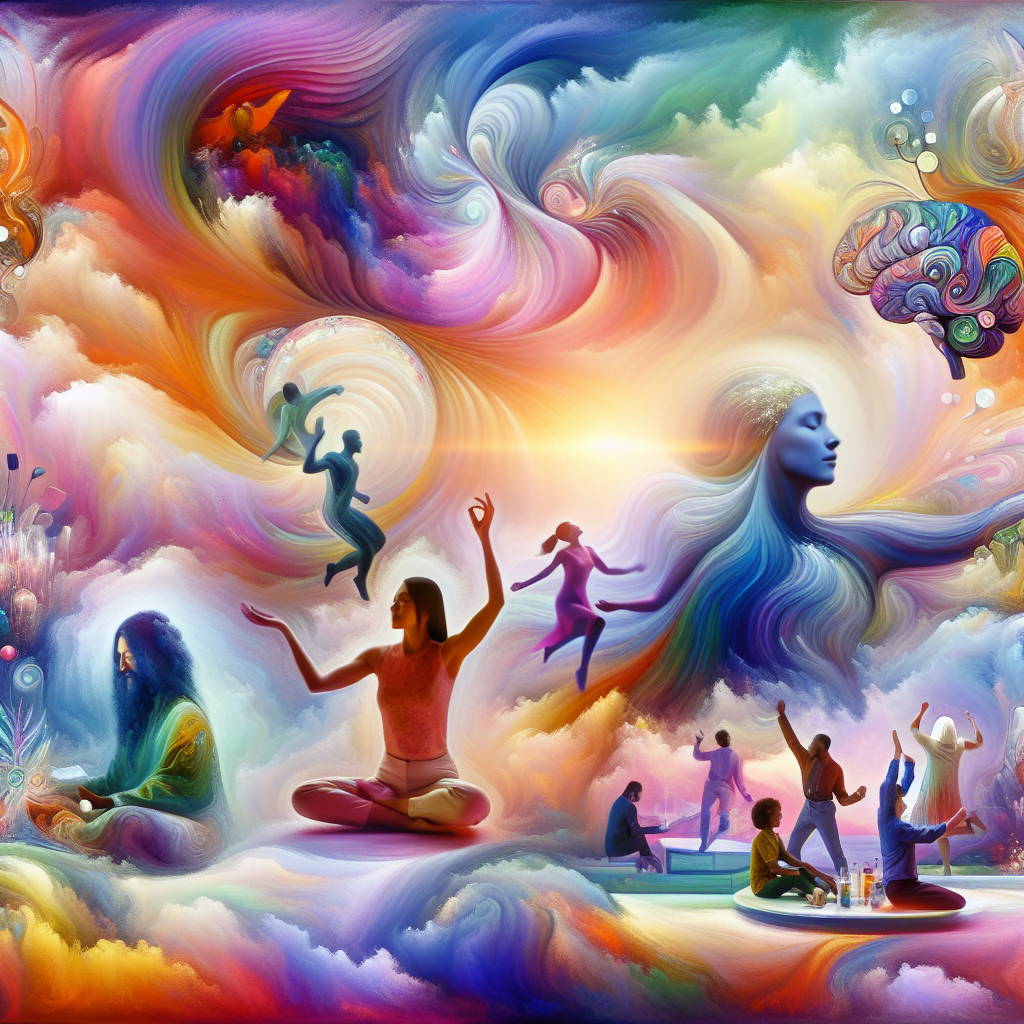
Meditation: A Path to Bliss
Meditation, a practice rooted in ancient tradition, offers a profound journey towards psychological well-being. By cultivating mindfulness, we learn to observe our thoughts without judgement, fostering a deep sense of inner peace. This mental clarity is a gateway to experiencing life in its most vibrant form, where every moment is cherished.
The impact of meditation on stress reduction is nothing short of transformative. Regular practice can lower cortisol levels, the hormone associated with stress, allowing us to navigate life’s challenges with grace. This shift not only alleviates anxiety but also enhances emotional resilience, making joy a more frequent companion in our daily lives.
Scientific research supports these benefits, showcasing meditation’s power to rewire the brain. Studies have shown increased grey matter in areas related to memory and emotional regulation. This evidence highlights meditation as a powerful tool for enhancing mental health.
| Meditation Technique | Benefits |
|---|---|
| Mindfulness Meditation | Increases focus, reduces stress |
| Transcendental Meditation | Enhances creativity, lowers blood pressure |
| Guided Imagery | Boosts relaxation, enhances mood |
In embracing meditation, we step into a realm of tranquility and joy, where the mind finds its true home.
The Magic of Ecstatic Dance
Imagine a space where music transcends the ordinary, inviting you to move without restraint—a world where your body speaks a language of its own. This is the essence of ecstatic dance, a freeform movement practice that allows individuals to experience true liberation.
The purpose of ecstatic dance is to shed inhibitions and connect deeply with oneself and others through rhythm and movement. As you sway, leap, and twirl, you enter a meditative state where the mind quiets and the heart opens. This dance is not about performing; it’s about being.
Psychologically, the benefits of this movement are profound. It fosters a sense of euphoria, reduces stress, and enhances mood. The freedom to express oneself without judgement encourages emotional release, paving the way for bliss.
“When I dance, I feel my spirit soar,” shares Sarah, a devoted ecstatic dancer. “It’s like having a conversation with my soul.”
These personal testimonies highlight how ecstatic dance serves as a delicious journey into self-discovery and emotional healing, inviting us to embrace the joy of simply being.

Community Events: Joy in Togetherness
In the heart of any community lies the simple yet powerful joy of coming together. Community gatherings are more than just events; they are the threads that weave us into a tapestry of belonging. Whether it’s a local festival, a neighborhood potluck, or a weekly choir practice, these gatherings nurture our innate desire for connection.
Participating in shared experiences has profound psychological benefits. It can elevate our mood, reduce feelings of isolation, and even boost our overall sense of well-being. When we engage in activities with others, we release oxytocin, often referred to as the “bonding hormone,” which enhances feelings of trust and empathy.
There are countless community events that promote blissful togetherness:
- Farmers’ markets, where the community supports local growers and artisans.
- Outdoor movie nights, offering a nostalgic blend of entertainment and camaraderie.
- Charity runs, uniting people for a cause greater than themselves.
These events remind us of the delicious joy found in unity and shared purpose, encouraging us to step outside our individual worlds and embrace the warmth of collective celebration.
FAQs on Achieving Bliss
As we journey towards living a blissful life, it’s natural to have questions. Here are some common inquiries and practical tips to help you along the way.
Q: What is the fastest way to achieve a blissful state?
A: Start with mindfulness practices like meditation. Even a few minutes daily can shift your mindset and elevate your mood.
Q: Can bliss be sustained in everyday life?
A: Yes, by integrating practices such as gratitude journaling and regular physical activity into your routine. These habits reinforce positive neural pathways.
Q: How can I incorporate blissful activities into my busy schedule?
A: Look for small windows of opportunity. You can take a mindful walk during lunch or listen to soothing music while commuting.
Q: Are there any tools that help maintain a blissful state?
A: Absolutely! Apps like meditation guides or gratitude journals can help keep you on track and remind you to pause and find joy.
Embracing these practices opens the door to a more blissful existence, encouraging a deeper connection with yourself and the world around you.
Final Thoughts: Embracing a Blissful Life
In our exploration of bliss, we’ve uncovered the profound impact of activities like meditation, ecstatic dance, and community gatherings on our brain chemistry and emotional well-being. These practices illuminate the path to happiness and fulfillment, nurturing our minds and hearts.
As you embrace these blissful practices, let nature be your companion. Feel the earth beneath your feet, breathe in the fresh air, and deepen your connection to the world around you. Begin this delicious journey today; let the essence of bliss permeate every moment of your life.

Author: Bliss
Dedicated to making a positive difference for people, animals, and this beautiful planet!


Bliss is the ultimate brain cocktail, mixed just right to unleash a wave of euphoria! The science of bliss isn’t just about feeling good; it’s a fascinating interplay of neurochemicals that transform our mood and perception. When we experience moments of joy, our brains release a delightful concoction of dopamine, oxytocin, and serotonin, creating a symphony of happiness that dances through our neural pathways. It’s like giving your brain a warm hug — who wouldn’t want that?
But here’s the twist: bliss doesn’t solely rely on external circumstances. Research shows that our mindset plays a pivotal role in this joyous state. Practicing gratitude or mindfulness can amplify those feel-good chemicals, making us more resilient and open to life’s simple pleasures. Think of it as tuning into your own personal happiness radio station; the more you adjust your frequency, the clearer the signal becomes. So, the next time you find yourself basking in a moment of pure bliss, remember — it’s not just chance; it’s science at work!