Detailed Information
Vitamin D synthesis varies significantly with skin pigmentation. Melanin, the pigment that determines skin color, acts as a natural sunscreen, absorbing UV radiation and thus reducing the skin’s ability to produce Vitamin D.
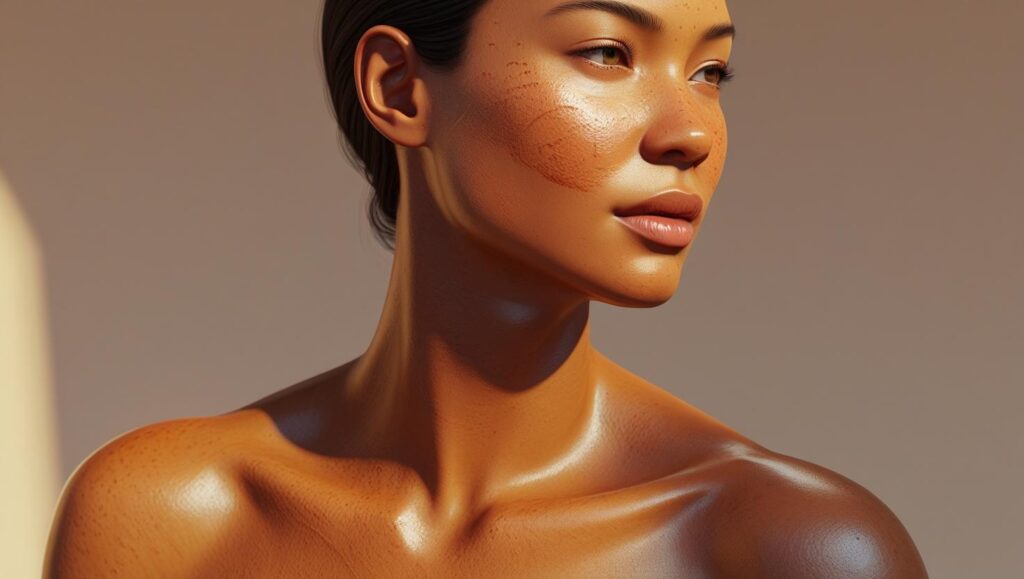
For individuals with medium skin tones (e.g., those who tan easily but might still burn with prolonged exposure), here’s a general guideline for sun exposure to achieve adequate Vitamin D:
- Time of Day: Midday (around 10 a.m. to 3 p.m.) is still the most efficient time due to the stronger UVB rays.
- Season and Location:
- Summer (like now in Phoenix, AZ): With Phoenix currently experiencing an “Extreme” UV Index (typically 11-12), medium-skinned individuals might need 15-20 minutes of direct sun exposure on a significant portion of their skin (e.g., arms, legs, face) to produce sufficient Vitamin D.
- Spring/Autumn: As the sun’s intensity decreases, you might need 20-30 minutes or slightly more.
- Winter: Similar to light skin, Vitamin D production from the sun can be very limited or non-existent in many regions during winter. Supplementation is often recommended.
- Amount of Skin Exposed: Exposing a larger surface area of skin will lead to more efficient Vitamin D production.
- UV Index: A higher UV index means less time is needed. Phoenix often has very high to extreme UV indices, especially in summer.
Important Considerations for Medium Skin Tones:
- Higher Risk of Deficiency: While lighter skin is at higher risk of sunburn and skin cancer from shorter exposures, medium and darker skin tones are at a higher risk of Vitamin D deficiency because they require more sun exposure to produce the same amount.
- Balance with Sun Protection: It’s still crucial to be mindful of sun protection. Once you’ve had your target time for Vitamin D production, apply broad-spectrum sunscreen with an SPF of 30 or higher and seek shade to prevent sunburn and reduce the risk of skin cancer.
- Individual Variability: These are general guidelines. Factors like age, overall health, diet, and individual variations in melanin can all affect Vitamin D synthesis.
- Listen to Your Body: If your skin starts to feel warm or show any signs of reddening, it’s time to get out of the sun.
- Supplementation: If you have concerns about your Vitamin D levels, especially if you live in a region with limited sun during certain months or have a lifestyle that limits sun exposure, discuss Vitamin D supplementation with your healthcare provider.
The goal is to find a balance between getting enough sun for Vitamin D and protecting your skin from harmful UV radiation.